 972.444.0660
Nervous System Regulation with Acupuncture & Herbs in Dallas
Understanding the Deeper Pattern Behind Your Symptoms
A lot of our patients come to us believing they are a “difficult case” because nothing they’ve tried has worked. In reality, the foundation was never addressed — without nervous system regulation, even the best treatments don't have a lasting effect.
We focus on regulating the nervous system — because pain, tension, and fatigue don’t resolve until the system feels safe enough to change. Many people come in seeking relief from pain, numbness, weakness, tightness, or ongoing fatigue. Some have a clear diagnosis. Others are told their tests look “normal,” yet their body doesn’t feel normal at all.
Many chronic symptoms persist not because something is “wrong,” but because the nervous system hasn’t been able to reset. When the body stays in a protective state for too long, pain, tension, and dysfunction stop being isolated issues and become ongoing patterns.
What we often see is that the issue isn’t limited to one muscle, nerve, or body part. Instead, the body is often responding to long-term nervous system strain.
When the nervous system has been under pressure for weeks, months, or even years, it can lose its ability to reset. The body stays stuck in a protective state — constantly adapting, bracing, or compensating — even when the original trigger is gone. Over time, this creates symptoms that seem unrelated on the surface but are actually connected beneath.
Think of it like a circuit breaker that never fully flips back on. The lights may still work, but everything runs dimmer, slower, or unpredictably. We are here to help you recognize what your body may be communicating — in clear, everyday language — so symptoms start to make sense instead of feeling random or frustrating.
Optimize Your Health & Wellness With Integrative Care
True wellness isn’t about chasing symptoms — it’s about helping your body return to balance. At AIMC, our holistic approach focuses on supporting the nervous system, improving communication within the body, and restoring the conditions needed for healing.
We work with the body as an interconnected system, addressing physical stress, emotional strain, and lifestyle factors that can quietly disrupt well-being over time. Rather than masking symptoms, our care supports your body’s natural ability to regulate, adapt, and recover.
A Foundation for Lasting Well-Being
Health is more than the absence of disease — it’s the ability to feel clear, energized, resilient, and at ease in your body. By focusing on regulation and root-level support, we help create meaningful change that lasts.
Whether your goal is better sleep, improved energy, pain relief, mental clarity, or emotional balance, our integrative care is designed to meet you where you are and support sustainable wellness over time.
3 Early Signs Your Nervous System Needs Support
These are generally the first signs that your nervous system needs support, the body will begin with light signals, designed to get your attention before things get worse. These are the yellow flags, before the red flags begin, we recommend patients get care as soon as these are noticeable.

Digestion Changes
Digestive symptoms are often one of the first signs the nervous system is under stress and feeling overwhelmed or under pressure. People may notice bloating, heaviness after eating, appetite changes, reflux, nausea, or irregular bowel movements. Digestion works best when the body feels calm and safe, so when the nervous system shifts into protection mode, digestion may slow down or feel off temporarily.

Unrestful or Disrupted Sleep
Sleep is closely connected to the nervous system and is often one of the first areas to change under stress. This can show up as difficulty falling asleep, waking during the night with an active or alert mind, light or restless sleep, or waking up feeling unrefreshed despite enough hours in bed. These patterns are common and reflect the body remaining in a protective or “on” state instead of fully settling into deep rest.

Muscle Tension or Holding
The nervous system also expresses stress through subtle, ongoing muscle tension. Many people unknowingly hold tightness in the jaw, neck, shoulders, hips, or even the hands and feet. This gentle but persistent tightening is the body’s way of preparing to protect itself or stay alert. It often shows up quietly and early, sometimes long before emotional stress is fully recognized or named.
The Core Imbalance Patterns We See Most Often
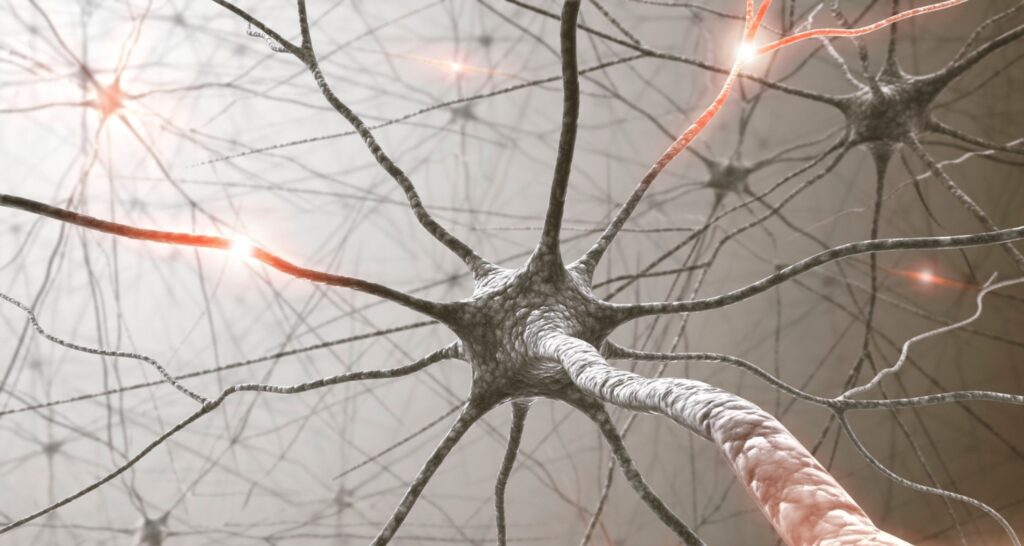

1. Nerve-Related Conditions
When the body’s communication system is under strain
Your nerves are how your brain communicates with the rest of your body.
When those signals become irritated, compressed, or inflamed, the body doesn’t respond clearly.
This may show up as:
-
Tingling, numbness, burning, or weakness
-
Sharp or radiating pain
-
Facial weakness or paralysis
-
Changes in sensation, movement, or coordination
Often, the nerve itself isn’t the only issue.
Circulation, inflammation levels, stress load, and recovery capacity all play a role in whether a nerve can heal.
When nerves stay irritated for too long, the body remains on alert — and healing slows because the system never gets the message that it’s safe to reset.
2. Pain Driven by Stress and Inflammation
When pain isn’t just physical
Stress doesn’t only affect the mind — it creates real physical changes in the body.
Over time:
-
Muscles stay tight
-
Inflammation stays elevated
-
Blood flow becomes restricted
-
Nerves become more sensitive
This type of pain often:
-
Moves around
-
Improves briefly, then returns
-
Worsens during emotional or mental stress
-
Doesn’t fully respond to rest or medication
This pain is not imagined, and it’s not “just aging.”
It’s a nervous system that has been stuck in protection mode for too long.
3. Sudden Symptoms or Issues That Never Fully Resolved
When the body never completed the healing cycle
Many patients say:
-
“It came out of nowhere.”
-
“The tests were normal.”
-
“It got better, but never fully went away.”
Sudden symptoms often follow:
-
A viral illness
-
An injury or accident
-
A period of intense stress or exhaustion
-
Emotional overload
Even after the original trigger passes, the nervous system may continue reacting as if the threat is still present.
The result can be:
-
Lingering pain or weakness
-
Recurring flare-ups
-
Sensitivity that doesn’t make sense on paper
The body isn’t broken — it’s unfinished.
Regulation helps the system complete what was interrupted.
Survival States Explained: Fight, Flight, or Freeze

Why People Seek Care With Us
Most people don’t come in saying, “My nervous system is dysregulated.” They come in because their body can’t seem to find its way back to feeling normal. They describe feeling off, not like themselves anymore, tired but wired, or sensing that something changed and never fully resolved. For some, it happened after stress, illness, injury, or a major life shift. For others, it built slowly over time. What they’re often experiencing is a body that has been stuck in survival mode for too long — constantly adapting, compensating, and pushing through instead of fully resting, restoring, and resetting.
Fight Mode — When the Body Is Stuck in High Alert
Fight mode is like a smoke alarm that won’t turn off, even when there’s no fire. The body stays on high alert, creating racing thoughts, mental overload, and physical tension that often settles into the jaw, neck, shoulders, or hips. Headaches, pressure behind the eyes, sensitivity to noise or light, shallow sleep, and irritability are common. It can feel like driving with your foot stuck on the gas — the engine keeps revving even when you’re trying to slow down.
You might be in Fight Mode if:
-
Your mind won’t shut off, even when you’re exhausted
-
You feel tense without knowing why
-
Small things overwhelm you faster than they used to
-
Your sleep feels light or unrefreshing
-
Pain increases during busy or stressful periods
Freeze Mode — When the System Shuts Down to Protect Itself
Freeze mode isn’t laziness or lack of motivation; it’s the body pulling the emergency brake. People often notice brain fog, difficulty concentrating, forgetfulness, or trouble finding words. There may be a sense of feeling spaced out, disconnected, or clumsy, along with deep fatigue that doesn’t fully improve with rest. It often feels like a phone in low-power mode — basic functions still work, but everything runs slower and dimmer.
You might be in Freeze Mode if:
-
You feel foggy or mentally slow
-
You bump into things or feel clumsier than before
-
You forget words, names, or tasks easily
-
You feel emotionally flat or disconnected
-
Rest doesn’t restore your energy
Inflammation Mode — When the Body Stays Irritated Instead of Repairing
Inflammation mode feels like the body is constantly reacting rather than healing. Ongoing aches, stiffness, swelling, or pressure may linger, and pain can move or flare without a clear trigger. Symptoms often worsen with stress, and recovery feels slow or incomplete. It’s like a minor cut that never fully scabs over — not severe enough to demand attention, but never quite settling down either.
You might be in Inflammation Mode if:
-
Pain moves or changes location
-
Stiffness is worse in the morning or after stress
-
Old injuries never fully healed
-
Your body feels sensitive or reactive
-
Symptoms improve briefly, then return
These states are not failures — they are intelligent responses to stress that has lasted too long and that the nervous system is not in an optimal state.
3 Ways the Nervous System Signals It Is In Chronic Distress
When early signs aren’t fully addressed, the nervous system can gradually intensify its signals. What appear as more serious or lingering symptoms often reflect accumulated strain and a body that has been carrying stress for longer than it can comfortably manage without support.

Persistent / Spreading Pain
When early nervous system signals are ignored for months, pain often becomes harder to pin down. It may move, return without a clear cause, or show up as nerve sensations like tingling, burning, or numbness. This doesn’t always mean new damage and often happens after being under strain for too long.

Heightened Reactivity
With ongoing overload, the nervous system may begin reacting more strongly to everyday input. Light, sound, movement, emotions, or stress can feel more intense, and sleep may become lighter or disrupted. This state often feels like being “wired but tired” — alert on the surface, but exhausted underneath.

Fatigue and Brain Fog
After prolonged stress, the body can shift from pushing through to conserving energy. People notice deep fatigue, mental fog, reduced focus, or feeling overwhelmed by tasks that used to feel manageable. This is the nervous system lowering output to protect itself, not a lack of effort or motivation.
The Common Thread
Across all of these patterns that we see daily, the body isn’t asking for force or suppression. It’s asking for calmer signaling, improved circulation, and regulation. When the nervous system feels safe enough to settle, inflammation can ease, nerve signals become clearer, pain responses soften, and recovery becomes possible. This is why people seek care here — not because they’re broken, but because their system hasn’t been able to reset on its own.
Acupuncture & Holistic Treatments for Support Nervous System Regulation

We choose treatments based on how your nervous system is responding — not just on a diagnosis. Some people need their system to calm down first. Others need better circulation, clearer nerve signaling, or help letting go of tension the body has been holding onto for years. As your system changes, your care changes with it.
Acupuncture is often used to calm stress signaling, support clearer nerve communication, and help the body step out of constant protection. For some people, this alone creates noticeable shifts in sleep, digestion, pain, or emotional steadiness. Electro-acupuncture may be added when nerves feel irritated, weak, or disconnected — providing gentle, targeted stimulation to help restore clearer signaling, especially in cases involving pain, numbness, or reduced function. Cupping therapy is used when circulation feels stagnant or tension has been held in the body for a long time, helping reduce inflammation and allowing tissues and nerves to soften and reset. Moxibustion is recommended when the system feels depleted, cold, or slow to recover, offering deep warming support that encourages circulation and natural repair.
Rather than forcing the body to change, these therapies are used to create the conditions your nervous system needs to feel safe enough to regulate. As signaling calms and circulation improves, the body often begins to shift out of survival mode on its own — restoring function, reducing symptoms, and supporting healing in a way that aligns with your individual needs and daily life.
How Herbal Medicine Supports Nervous System Regulation


Supports Nerve Recovery
Herbal medicine helps nourish tissues, support nerve repair, and create the internal conditions needed for steady recovery — especially after long-term stress or irritation.
Calms Inflammatory Stress Signals
Formulas are chosen to reduce inflammatory “noise” that keeps the nervous system reactive, allowing clearer communication and less pain sensitivity.
Builds Long-Term Resilience
By supporting circulation, organ function, and stress resilience, herbal medicine helps the nervous system maintain regulation and avoid cycling back into depletion.
Supporting Progress, Not Forcing Change
Herbal medicine works best when it supports regulation over time. As the nervous system becomes more stable, the body is better able to maintain gains, adapt to stress, and continue healing.
What to Expect at Your First Nervous System Regulation Visit
Consultation
We assess your health history, stress load, and symptom patterns to understand how your nervous system is responding.
First Session
Gentle treatment in a calm setting designed to support nervous system regulation. Most patients feel relaxed and comfortable.
Early Results
Many people notice reduced tension, improved sleep, or less pain within the first few visits.
Care Plan
Your plan evolves based on your response, with clear guidance and realistic expectations.

Ready To Experience Relief & Feel Like Yourself Again?

Schedule Your Consultation
Take the first step toward calming and regulating your nervous system with our experienced, integrative team.
Begin Your Regulation Journey
Experience how personalized care helps your nervous system settle, adapt, and support lasting relief.
Join Our Patient Outcomes
Become one of the many patients who’ve restored nervous system balance and returned to moving and living with greater ease.

Let's Get To The Root of Your Discomfort or Pain
AIMC IRVING
1320 W Walnut Hill Ln
Irving, Texas 75038